

Running a childcare centre involves constant coordination behind the scenes. Between enrolments, staffing, compliance requirements, parent communication and daily operations, administrative workload can build quickly — especially when payments are still being managed manually.
For many centres, fee collection becomes one of those recurring tasks that quietly consumes more time than expected. Following up overdue payments, reconciling transfers, sending reminders and checking invoices may seem manageable individually, but together they create ongoing operational friction across the business.
That’s why more childcare centres are moving towards automated recurring payment systems. Not simply to collect fees more efficiently, but to reduce manual administration and create a smoother experience for both staff and families.
Here are five practical ways automation can help streamline childcare payment operations.
1. Reduce manual payment follow-ups
One of the most repetitive administrative tasks for childcare centres is managing payment follow ups manually.
When payments rely on reminders, bank transfers or individual communication, it often creates a continuous cycle of checking accounts, sending emails and following up with families when fees are overdue. Even with strong internal processes, this can take up a significant amount of time across the week, particularly as enrolments increase.
Automated recurring billing helps remove much of that manual coordination.
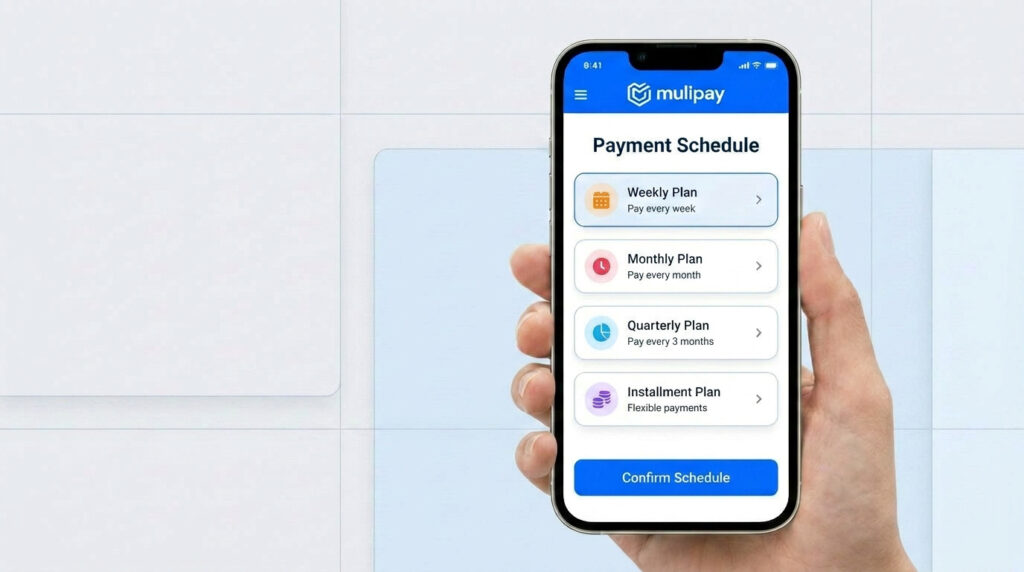
Payments can be scheduled in advance and processed automatically on agreed billing dates, creating a far more consistent workflow for both the centre and parents. Automated reminders and notifications also reduce the need for manual communication while ensuring families stay informed throughout the process.
For administration teams, this creates a noticeable reduction in repetitive follow up work and helps minimise the operational pressure that often builds around billing periods.
2. Make reconciliation faster and far less manual
Reconciliation is one of those operational tasks that becomes increasingly difficult as payment volumes grow.
When payments are spread across direct transfers, invoices and multiple systems, maintaining clear financial visibility often requires manual checking and cross-referencing. Even small inconsistencies can create delays in reporting and additional work for administration or finance teams.
Automated payment systems simplify this by centralising transaction records and updating payment activity in real time.
Instead of manually matching payments against invoices or enrolment records, teams gain a clearer and more structured view of what has been paid, what is overdue and what requires attention. This not only reduces administrative workload but also improves accuracy and reporting consistency across the business.
For growing childcare centres, that operational visibility becomes increasingly valuable over time.
3. Create a smoother and more convenient experience for parents
Parents today expect payment experiences that feel simple, flexible, and easy to manage.
Manual payment processes can often create unnecessary friction, particularly for busy families juggling multiple responsibilities. Remembering payment dates, organising transfers or responding to overdue reminders adds avoidable stress to what should be a straightforward process.
Automated recurring payments create a much more seamless experience.
Parents can securely save their preferred payment method, receive timely reminders automatically and have fees processed consistently without needing to manually complete payments each cycle. The experience feels more modern and more convenient.
For childcare centres, improving payment convenience also helps strengthen the broader parent experience. Small operational improvements behind the scenes often contribute to a more professional and organised perception of the centre overall.
4. Improve visibility and cash flow consistency
When payment workflows are managed manually, it becomes much harder to maintain a clear and reliable picture of incoming revenue.
Late payments, fragmented systems and inconsistent reconciliation can make cash flow visibility difficult to track accurately, especially during busy operational periods. This uncertainty often creates additional pressure around reporting and financial planning.
Automated recurring billing introduces more consistency into the payment cycle.
Because payments are processed on structured schedules and tracked in real time, childcare operators gain clearer oversight into expected revenue, outstanding balances and payment activity across the centre. Instead of relying on spreadsheets or fragmented records, teams can work from a more reliable operational view of the business.
That level of visibility becomes increasingly important as centres expand enrolments, locations or service offerings.
5. Build operational systems that scale with the centre
Many manual payment processes work adequately at a smaller scale. The challenge is that they rarely scale efficiently as the business grows.
As enrolments increase, administrative complexity tends to increase with it. More families mean more billing cycles, more payment exceptions, more reconciliation work and more time spent maintaining operational consistency across the centre.
Automating recurring payments helps create a stronger operational foundation for long-term growth.
Instead of increasing manual administration every time the centre grows, automated systems allow payment workflows to scale more sustainably in the background. Processes become more structured, reporting becomes more consistent and teams spend less time managing operational bottlenecks tied to recurring billing.
Ultimately, this allows childcare operators to focus more energy on delivering quality care, supporting educators and improving the overall experience for families rather than constantly managing payment administration.
A simpler way to automate childcare fee payments
Setting up automated recurring payments doesn’t need to be complicated.
MuliPay helps childcare centres streamline fee collection through automated billing workflows designed to reduce manual administration and simplify recurring payments at scale.
With MuliPay, centres can:
- Automate recurring fee payments and reminders
- Offer multiple payment options for families
- Reduce reconciliation workload
- Improve payment visibility across operations
- Process payments securely using infrastructure aligned with Australian compliance standards
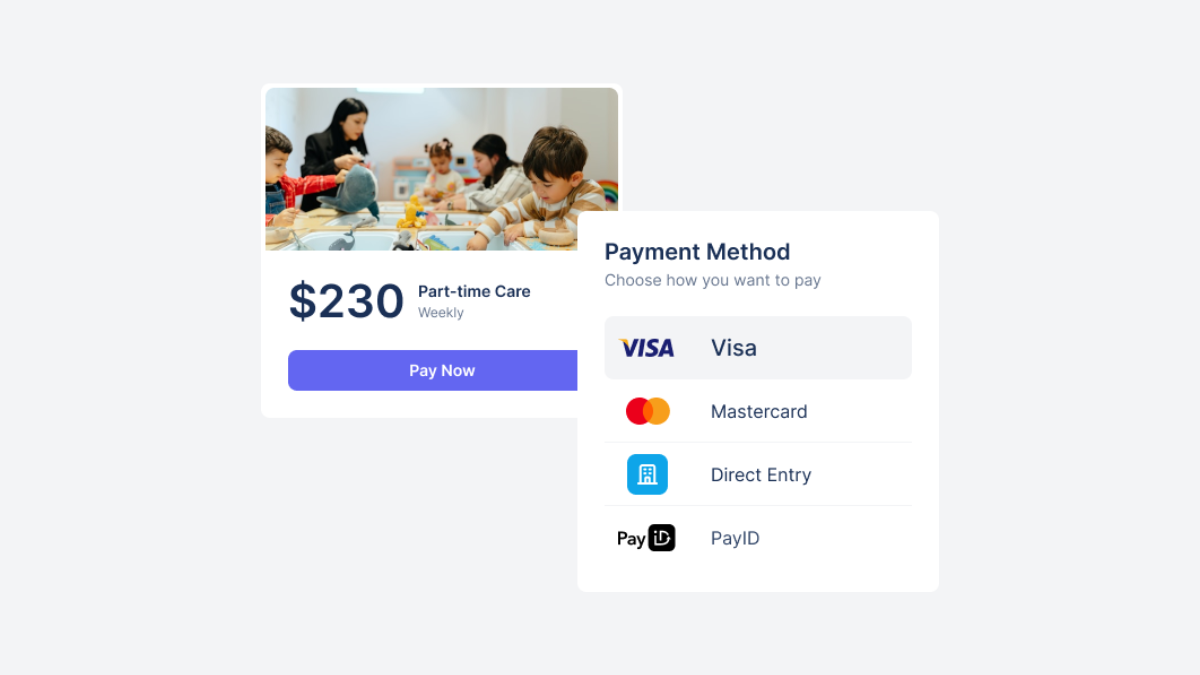
Whether you operate a single early learning centre or manage multiple locations, MuliPay helps simplify the operational side of recurring payments so your team can spend less time on administration and more time focused on delivering quality care.
Ready to modernise your childcare payment workflows? Explore MuliPay and discover a more efficient way to manage recurring fee payments.